
Developers who get an invite will be able to buy a unit for $3,000. The first units will start shipping to developers in the U.S. and Canada on March 30.
With this, Microsoft is also announcing the first set of HoloLens-specific applications that are meant to show off the platform’s capabilities (including a HoloLens version of Skype and a few games), as well as a few more details about the hardware’s spec.
 It’s
important to note that this is not a consumer launch. Microsoft has
been taking applications from interested developers for the last few
months and it will now start inviting them into its program. While a
company spokesperson couldn’t quite tell us how Microsoft decided on who
would get invites first, Microsoft tells us that invites will go out in
batches.
It’s
important to note that this is not a consumer launch. Microsoft has
been taking applications from interested developers for the last few
months and it will now start inviting them into its program. While a
company spokesperson couldn’t quite tell us how Microsoft decided on who
would get invites first, Microsoft tells us that invites will go out in
batches.Even if you haven’t applied yet, you can still put in your application now to get a chance of being included in one of the next few batches.
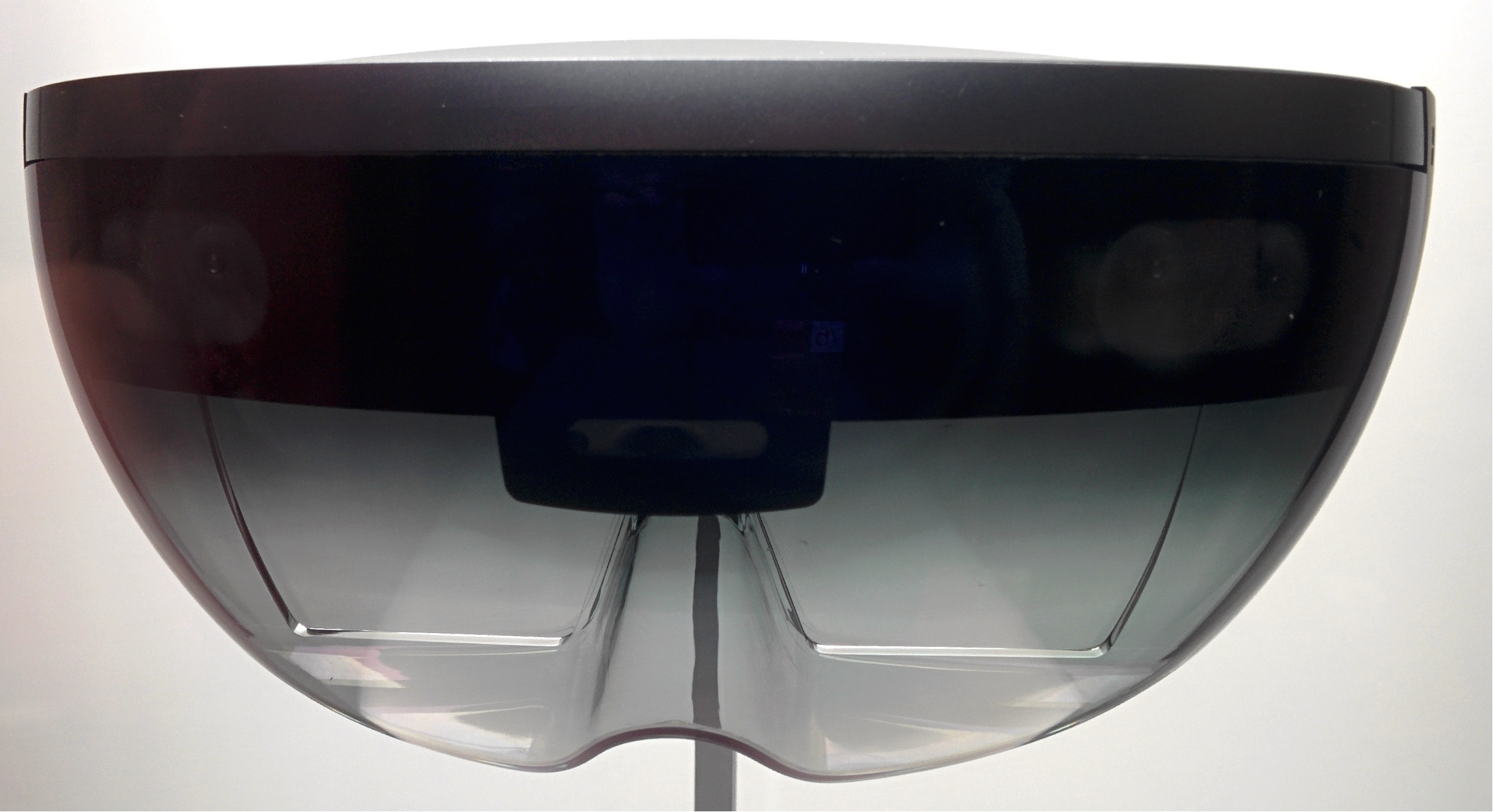
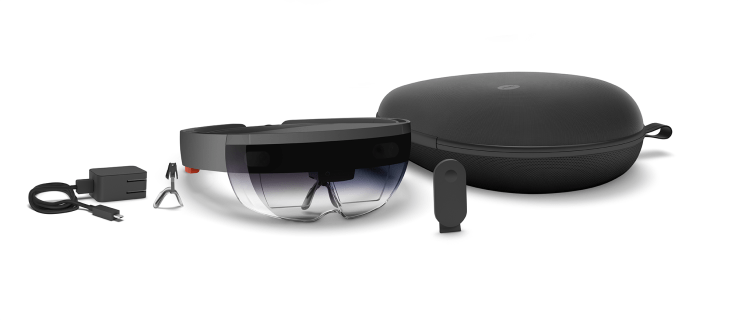
So what do you get when you pay $3,000 for the HoloLens development edition? In the box, you will find the actual HoloLens, a clicker for interacting with applications beyond gestures, a carrying case, nose pads and overhead straps, as well as a microfiber cloth and a charger. The device itself, which can run untethered from a desktop computer, will feature 64GB of Flash memory and 2GB of RAM (which seems rather low). In its current form, HoloLens weighs in at 576 grams.
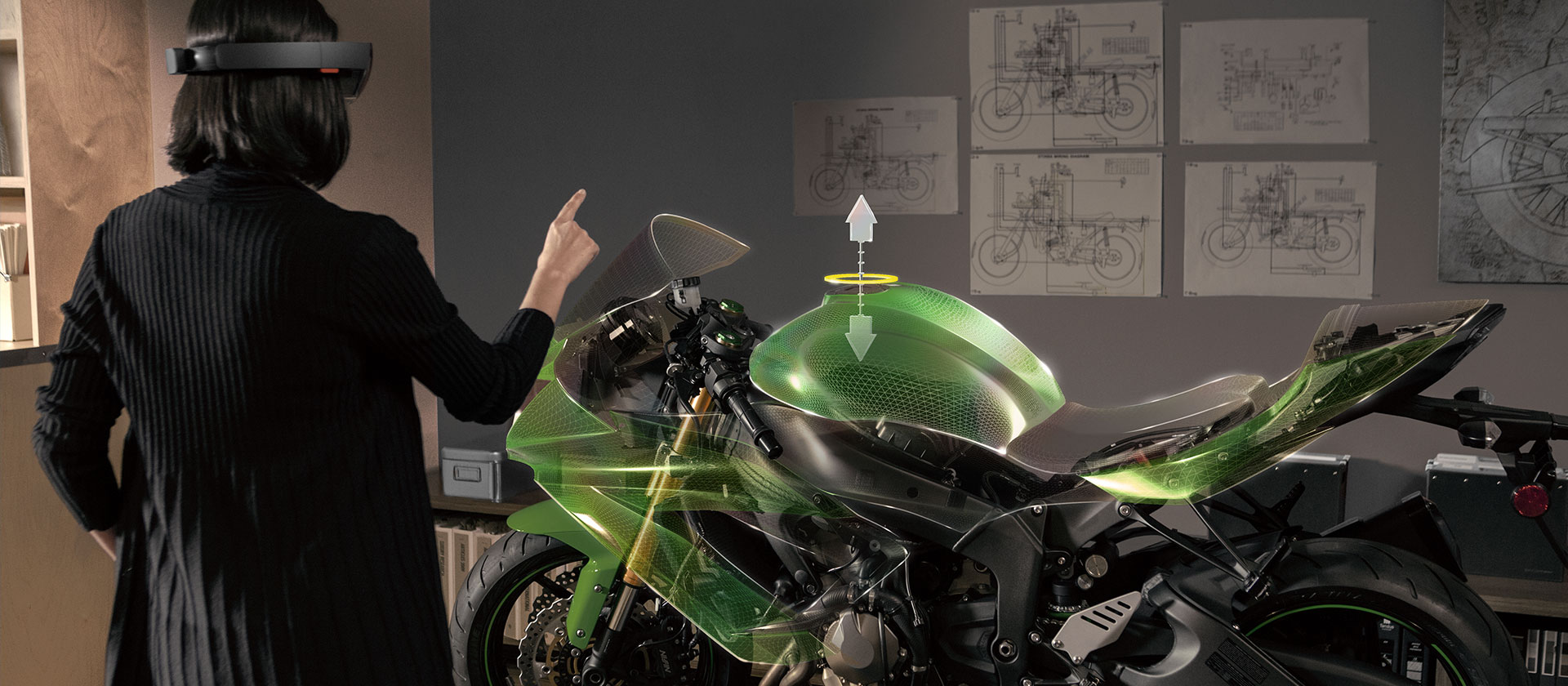
Microsoft estimates about two to three hours of battery life, with up to two weeks of standby time. The HoloLens will be passively cooled (so there is no need to worry about fans) and will feature both an Intel 32-bit architecture CPU and Microsoft’s own custom-built “Holographic Processing Unit” (HPU).
In addition, there are plenty of sensors, microphones and a camera. The HPU takes all the data the HoloLens’ sensors generate and processes it in real time.
As for the display itself, Microsoft says it will feature 2 HD 16:9 light engines that will offer a “holographic resolution” of 2.3 million light points.
“HoloLens has see-through holographic lenses that use an advanced optical projection system to generate multi-dimensional full-color holograms with very low latency so you can see holographic objects in your world,” Microsoft’s Alex Kipman writes. “The key to a great holographic experience is holograms that are light point rich, i.e., they have a high holographic density and are pinned, or anchored, to the world around you.”
For the most part, these new units will be very similar to the ones the company has been showing off since last year’s Build developer conference. This means they will likely still feature the relatively limited field of view we noticed at last year’s Build.
No comments:
Post a Comment